Product Search
Find the right transformer for your needs
Energy Storage Batteries
2 Product Series · 10 Models available
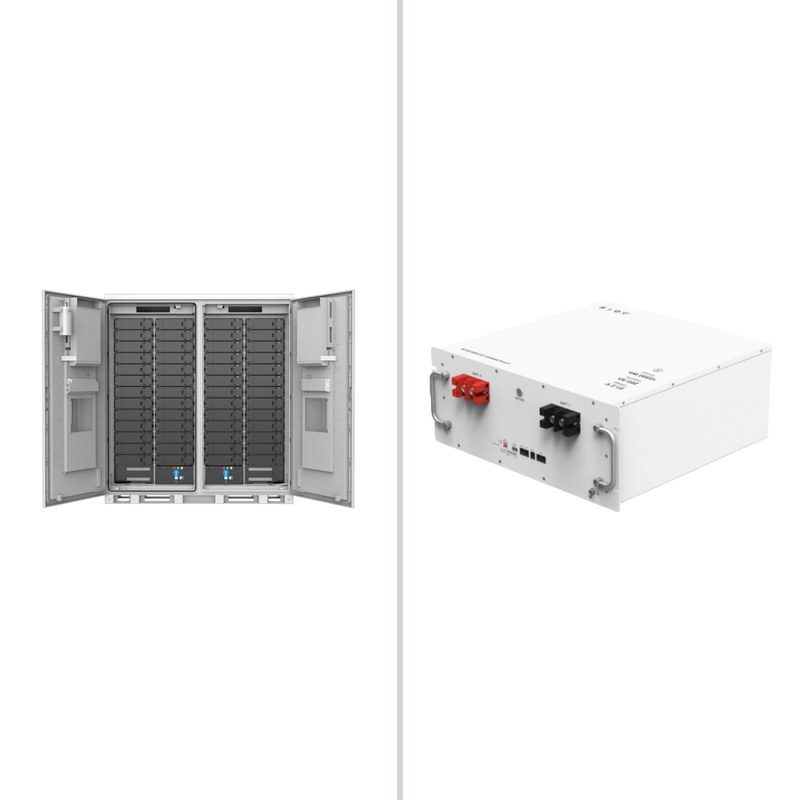
Energy storage batteries store surplus solar or off-peak power for use when generation drops or prices rise. QDTB builds lithium iron phosphate (LiFePO4) battery packs and clusters in low-voltage and high-voltage platforms, from 5 kWh wall-mount modules to container-scale clusters. LFP chemistry is chosen deliberately for its thermal stability, long cycle life and high usable depth of discharge, and every module carries an integrated BMS with CAN/RS485 communication for safe, monitored operation. Cells are certified to IEC 62619 and UN38.3, making the range suitable for residential, commercial and utility storage alike.
Specifications Range
All specifications and dimensions can be customized upon request
| Key parameters | Model Range |
|---|---|
| Nominal Voltage | 51.2 V, 204.8 V, 512.0 V, 768.0 V, 1228.0 V |
| Capacity | 5.12–385 kWh |
| Cell Capacity | 100 Ah, 200 Ah, 300 Ah, 280 Ah, 314 Ah |
| Chemistry | LiFePO4 (LFP) |
| Cycle Life | 6000–10000 cycles |
| DoD | 90–95 % |
Available Series
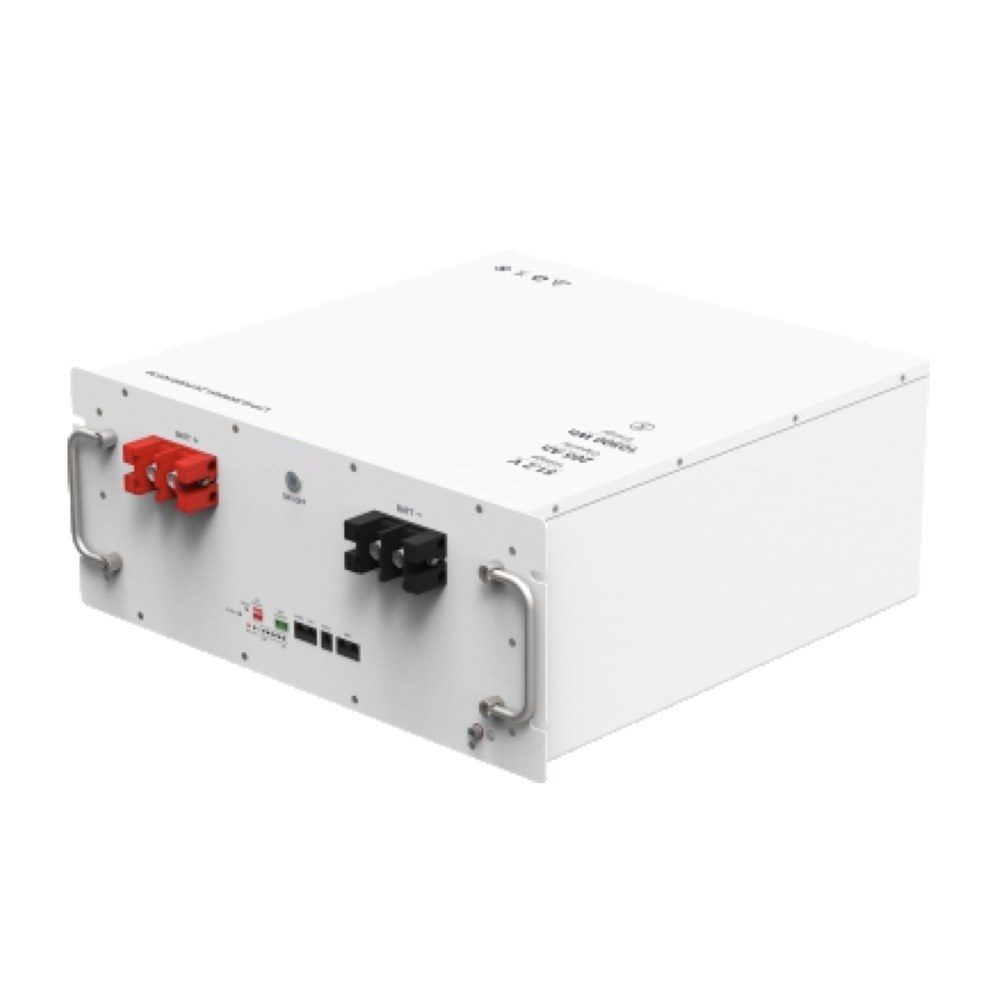
ESS-LV
→ESS-LV Series — 48/51 V Low-Voltage Battery Modules
Wall- and rack-mount LiFePO4 modules from 5 to 15 kWh at 48/51.2 V, built for parallel expansion in residential and light-commercial storage.
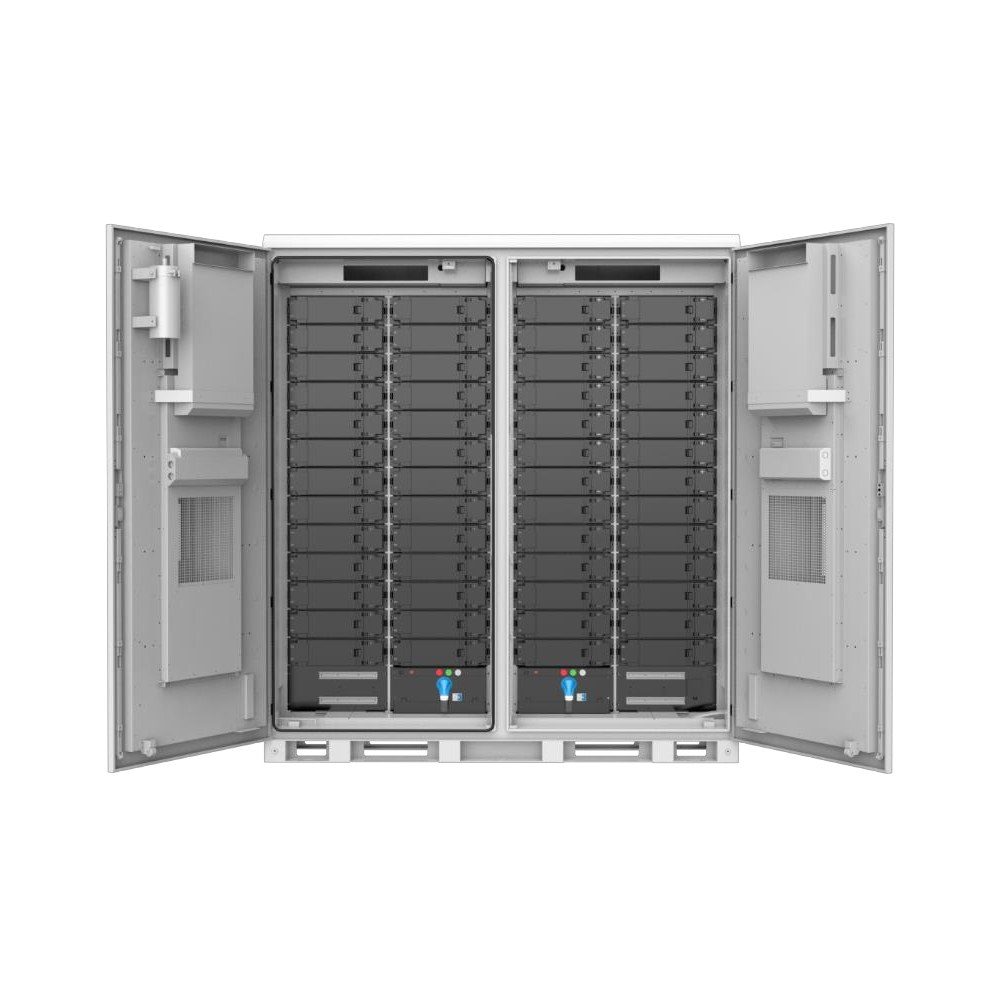
ESS-HV
→ESS-HV Series — High-Voltage Battery Clusters
High-voltage clusters scale from tens to hundreds of kilowatt-hours for commercial and containerised storage, reducing current and improving system efficiency.
Application Scenarios
Residential Self-Consumption
Wall- and rack-mount 5–15 kWh modules paired with a hybrid inverter to use solar energy after dark.
Commercial Peak-Shaving
High-voltage clusters that discharge during demand peaks to cut commercial electricity bills.
Backup & UPS
Battery banks that hold critical loads up through outages and brownouts.
Microgrids
Storage as the anchor that balances intermittent PV and diesel generators in islanded networks.
Utility-Scale Storage
Containerised clusters assembled from high-voltage strings for frequency and capacity services.
Solar-Plus-Storage Retrofits
Add storage to an existing grid-tie plant to shift generation into the evening peak.
Technical Advantages
LiFePO4 Chemistry
Thermally stable cathode material with low fire risk and a flat discharge curve.
Long Cycle Life
6000+ cycles at 90 % depth of discharge for a design life well beyond ten years.
Integrated BMS
Cell-level voltage, temperature and current monitoring with multi-layer protection in every module.
High Usable DoD
Up to 90 % of rated capacity is usable per cycle, reducing the number of modules needed.
Frequently Asked Questions
Why LiFePO4 instead of NMC?
Lithium iron phosphate offers better thermal stability and longer cycle life, which matters more for stationary storage than the higher energy density of nickel-based cells.
What is depth of discharge (DoD)?
It is the fraction of rated capacity that can be used each cycle. A 90 % DoD means 9 of every 10 kWh are usable without harming cycle life.
How long do the batteries last?
Rated for 6000+ cycles at 90 % DoD, the pack typically serves 10–15 years depending on temperature and usage patterns.
Can modules be connected in parallel?
Yes, low-voltage modules support parallel connection for extra capacity, while high-voltage platforms scale by adding clusters.
What communication does the BMS use?
Standard CAN and RS485/Modbus interfaces connect to inverters, PCS and energy management systems.
What is the minimum order quantity (MOQ) for Energy Storage Batteries?
One unit for standard products. Custom-designed equipment is quoted on specifications — send your parameters or drawings and our sales team will confirm the MOQ for your configuration.
Instant Selection & Quote Calculator
Select your specifications to get an estimated price instantly.
More options(5)
Certification
Reference prices are for estimation only and do not constitute a formal offer.
3 · Get this quote
We will reply with your latest quote instantly.
Solar System Configurator
Size your solar array, storage and balance-of-system, and get an instant bill of materials.
Need help?
All specifications and dimensions can be customized upon request
Low-Voltage Module vs High-Voltage Stack vs Container Cluster: How to Choose
| Low-Voltage Module (ESS-LV) | High-Voltage Stack (ESS-HV) | Container-Scale Cluster | |
|---|---|---|---|
| Platform voltage | Low voltage, one module per inverter input | High voltage, modules stacked in series | Rack after rack combined at the DC bus |
| Wiring | Thick DC cable, since the current is high | Thinner cable for the same power | Busbar and rack cabling to the PCS |
| Scalability | Parallel modules added one at a time | Stack modules added in series steps | Racks and containers added in blocks |
| Inverter pairing | Matches low-voltage hybrid inverters | Matches high-voltage hybrid inverters and PCS | Paired with a utility-scale PCS |
| Installation | Wall mounted, one person can lift a module | Floor-standing stack, needs lifting gear as it grows | Civil works, cranes and a fire-protection design |
| Footprint | Smallest per module | Compact for the capacity delivered | Large, with clearances and access for service |
| Typical application | Residential self-consumption and backup | Commercial peak shaving | Utility-scale and microgrid storage |
Where QDTB® Energy Storage Batteries Are Specified
Storage batteries are specified where energy has to move in time: residential self-consumption that shifts daytime solar into the evening, commercial peak shaving that trims the demand charge, and backup systems that carry a load through an outage. LiFePO4 chemistry is chosen for these duties because it stays thermally stable and holds a long cycle life under daily cycling.
Microgrids and solar-plus-storage retrofits use the same modules at a larger scale, and utility-scale projects move to container-scale clusters on a PCS. In every case the battery is sized on usable energy and depth of discharge rather than on nameplate capacity, because a bank that is cycled within its usable window lasts far longer.
Every module carries an integrated BMS with CAN and RS485 communication, so the inverter or energy management system sees cell voltages, temperatures and state of charge instead of a black box. That link is what allows the system to protect the cells without the operator watching the bank.
The range runs from 5 kWh wall-mount modules to container-scale clusters in low- and high-voltage platforms. Cells are certified to IEC 62619 and UN38.3 and rated for 6000+ cycles at 90 % DoD.
Frequently Asked Questions
Why LiFePO4 instead of NMC?
Lithium iron phosphate offers better thermal stability and longer cycle life, which matters more for stationary storage than the higher energy density of nickel-based cells.
What is depth of discharge (DoD)?
It is the fraction of rated capacity that can be used each cycle. A 90 % DoD means 9 of every 10 kWh are usable without harming cycle life.
How long do the batteries last?
Rated for 6000+ cycles at 90 % DoD, the pack typically serves 10–15 years depending on temperature and usage patterns.
Can modules be connected in parallel?
Yes, low-voltage modules support parallel connection for extra capacity, while high-voltage platforms scale by adding clusters.
What communication does the BMS use?
Standard CAN and RS485/Modbus interfaces connect to inverters, PCS and energy management systems.
What is the minimum order quantity (MOQ) for Energy Storage Batteries?
One unit for standard products. Custom-designed equipment is quoted on specifications — send your parameters or drawings and our sales team will confirm the MOQ for your configuration.