Product Search
Find the right transformer for your needs
Solar PV Modules
4 Product Series · 11 Models available
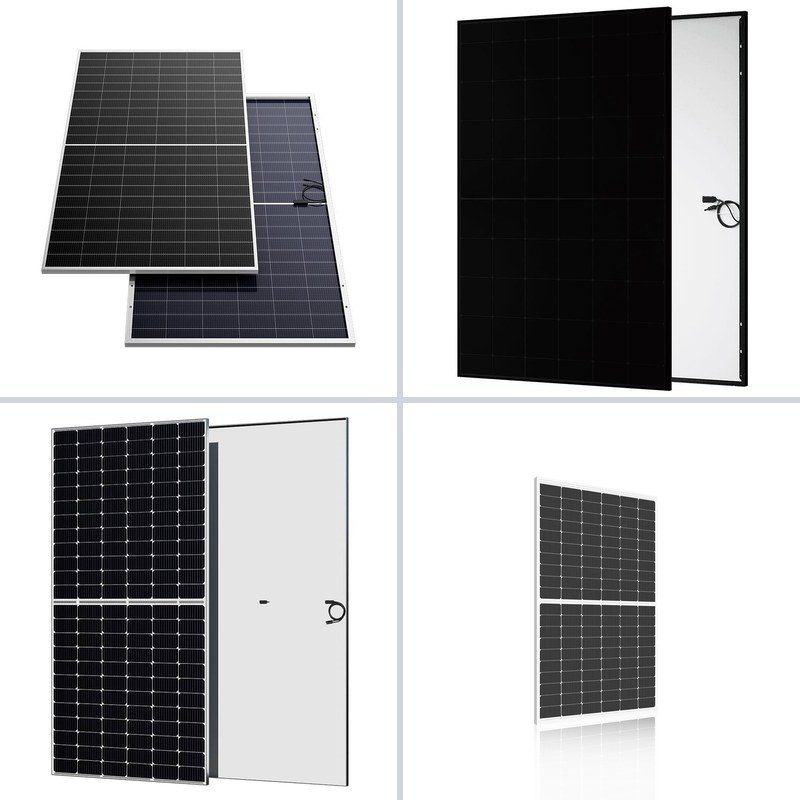
Solar PV modules convert sunlight into direct current and are the power source of every photovoltaic system. QDTB supplies monocrystalline modules across four cell platforms — PERC, TOPCon, HJT and IBC — covering 400 Wp to 700 Wp in monofacial and bifacial, single- and double-glass constructions. Half-cut cells, multi-busbar layouts and low temperature coefficients keep yield high on hot roofs and in high-irradiance fields alike. Every module is certified to IEC 61215 and IEC 61730 and backed by a linear power warranty, so the catalogue scales cleanly from a single rooftop to a multi-megawatt ground plant.
Specifications Range
All specifications and dimensions can be customized upon request
| Key parameters | Model Range |
|---|---|
| Rated Power | 400–700 Wp |
| Efficiency | 20.5–23 % |
| Cell Type | Monocrystalline PERC, N-type TOPCon, Heterojunction (HJT), Interdigitated Back Contact (IBC) |
| Wafer Size | 182mm, 182×210mm, 210mm |
| Max System Voltage | 1000 V, 1500 V |
| Bifaciality | 0–85 % |
| Warranty | 25 years, 30 years |
| Standard | IEC 61215, IEC 61730 |
Available Series
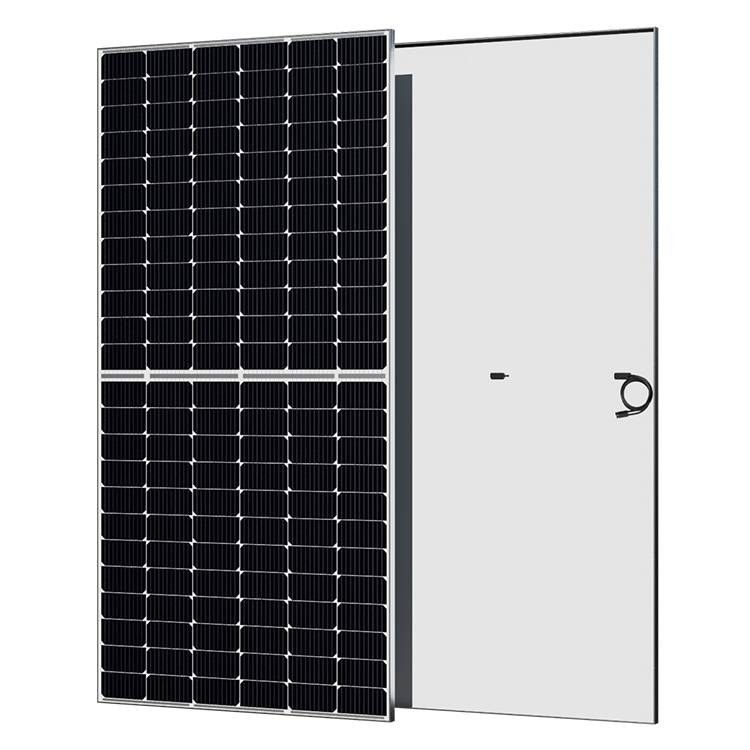
PERC
→PERC Series — Cost-Efficient Monocrystalline Modules
Passivated-emitter rear-cell (PERC) modules are the workhorse of the range, delivering 400–550 Wp at the best cost-per-watt for residential and commercial projects where efficiency is balanced against budget.
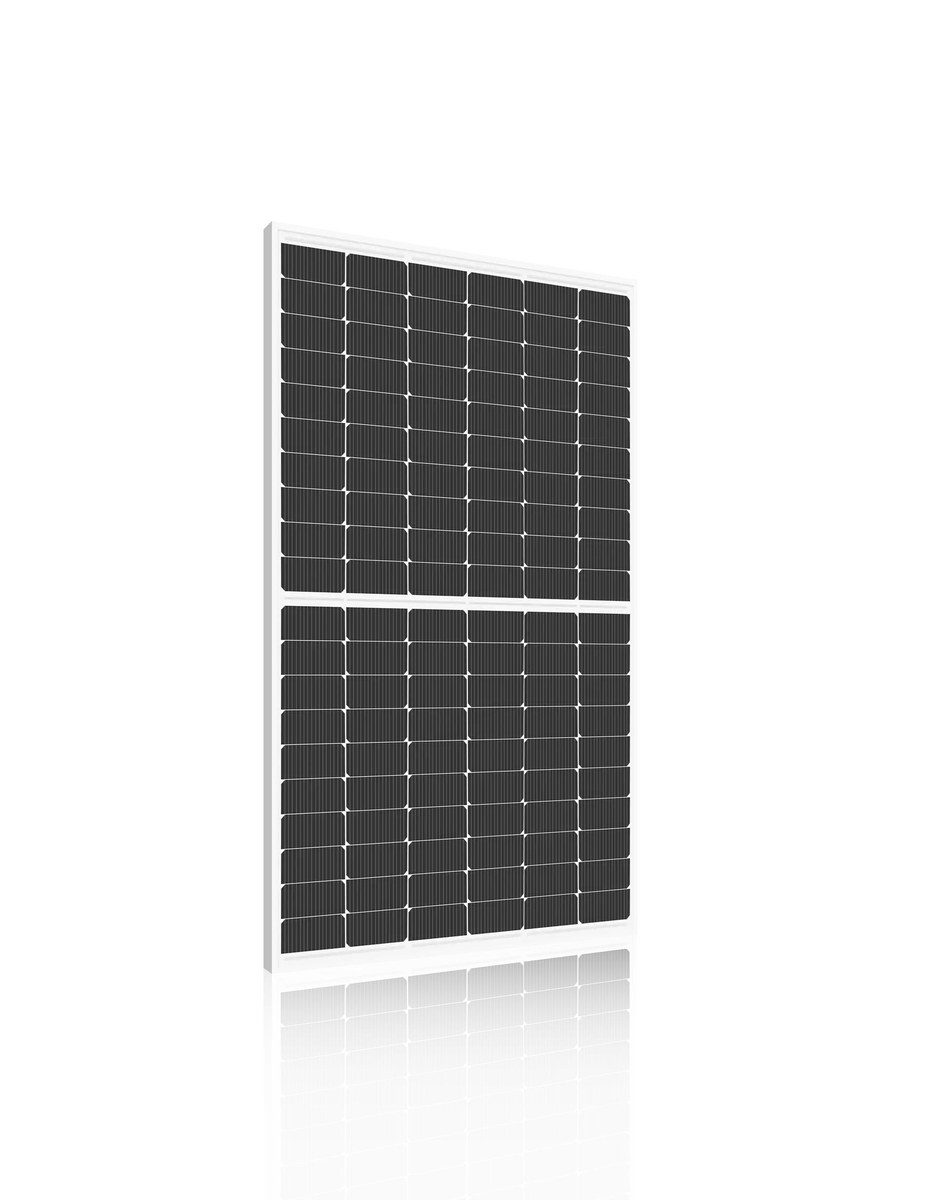
TOPCon
→TOPCon Series — High-Efficiency Passivated-Contact Modules
Tunnel-oxide passivated-contact (TOPCon) cells push module efficiency toward 23 % with excellent low-light and high-temperature behaviour, making this series the default for yield-critical commercial and utility projects.
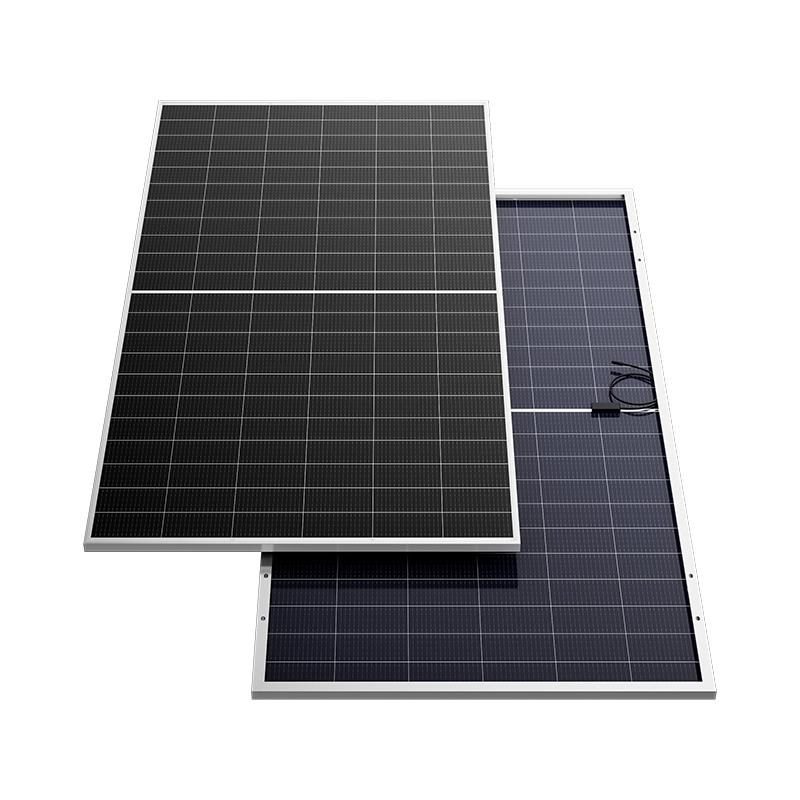
HJT
→HJT Series — Heterojunction High-Bifaciality Modules
Heterojunction (HJT) technology layers amorphous silicon onto a crystalline wafer for the highest bifaciality and a very low temperature coefficient, ideal for floating, desert and high-albedo installations.
IBC
→IBC Series — Rear-Contact High-Efficiency Modules
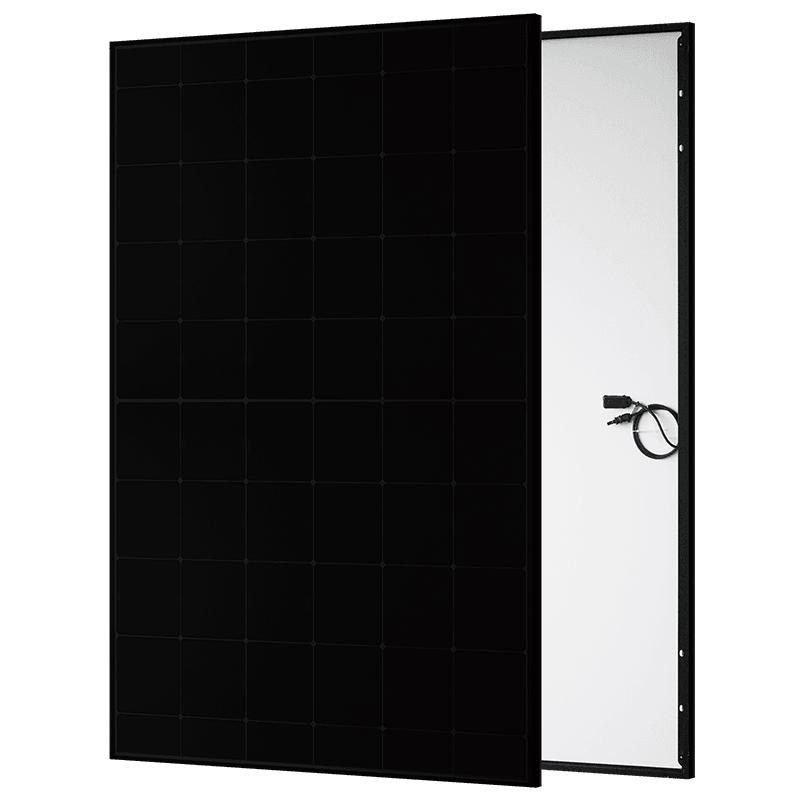
Interdigitated back-contact (IBC) cells place all contacts on the rear, removing front shading for maximum efficiency and a clean all-black appearance favoured in architectural and premium installations.
Application Scenarios
Residential Rooftops
High-efficiency 400–450 Wp modules sized to fit standard pitched-roof spans while maximising energy per square metre.
C&I Rooftops
550–585 Wp bifacial and double-glass panels that harvest albedo light reflected from flat commercial roofs.
Utility-Scale Ground Plants
Large-format 182/210 mm wafer modules above 600 Wp to cut balance-of-system and land cost per watt.
Agrivoltaics & Carports
Transparent-backsheet and bifacial options that let diffuse light through while the structure doubles as shade.
Off-Grid & Hybrid Systems
Modules paired with charge controllers and storage for sites without a stable grid connection.
High-Temperature Climates
Low temperature-coefficient cells that shed less output as ambient temperature rises.
Technical Advantages
Four Cell Technologies
PERC, TOPCon, HJT and IBC platforms let you trade upfront cost against efficiency, bifaciality and temperature behaviour.
Half-Cut Cell Design
Reduced resistive loss and lower hot-spot risk compared with full cells, improving shade tolerance.
Bifacial Gain Option
Double-glass bifacial modules add 5–20 % rear-side generation depending on albedo and mounting height.
25-Year Linear Warranty
Guaranteed first-year output and a low annual degradation rate, with PID and salt-mist resistance for harsh sites.
Frequently Asked Questions
What is the difference between PERC, TOPCon, HJT and IBC?
PERC is the cost-efficient mainstream; TOPCon raises efficiency with a passivated contact; HJT combines crystalline silicon with amorphous layers for high bifaciality; IBC moves all contacts to the rear for the highest efficiency and cleanest look.
When should I choose a bifacial module?
Bifacial is worthwhile when the rear face sees reflected light — light-coloured flat roofs, elevated ground racks, snow or sand — typically adding 5–20 % output.
What does the temperature coefficient mean for output?
It is the percentage of power lost per degree above 25 °C. A smaller negative value (for example −0.29 %/°C) keeps hot-climate yield higher.
Are your modules certified for grid and off-grid use?
Yes, all modules carry IEC 61215 and IEC 61730 certification and are suitable for both grid-tied and battery-backed systems.
What module size fits a standard pitched roof?
Our 400–450 Wp modules use a 1722×1134 mm format, which spans typical rafter spacing with minimal trimming and cable waste.
Instant Selection & Quote Calculator
Select your specifications to get an estimated price instantly.
| Base price (interpolation) | $48 |
| × Product factor | ×1.0000 |
| × Country factor | ×1.0000 |
| × Copper-linked factor | ×1.0000 |
| + Options / accessories | $0 |
Complete equipment — no winding copper linkage
Reference prices are for estimation only and do not constitute a formal offer.
We will reply with your latest quote instantly.
Solar System Configurator
Size your solar array, storage and balance-of-system, and get an instant bill of materials.
Need help?
All specifications and dimensions can be customized upon request