Product Search
Find the right transformer for your needs
Reactors
18 Series · 458 Models
Product Images
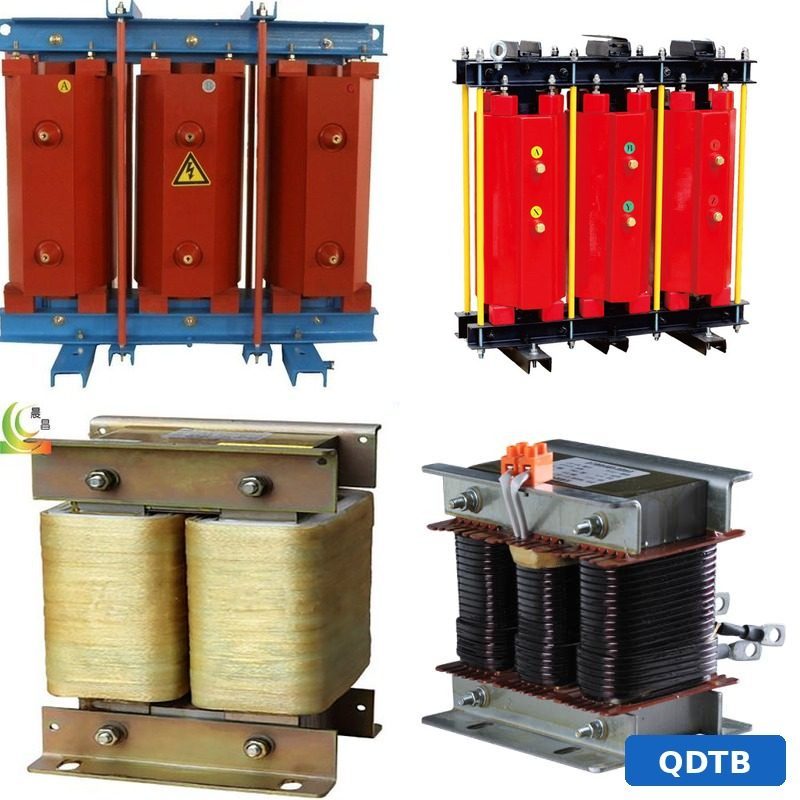
Images are for illustration purposes only
Reactors Overview
Reactors are inductive components that shape power quality by limiting fault currents, filtering harmonics, and controlling inrush currents. QDTB supplies series reactors for capacitor banks (typically 6% or 7% reactance), shunt reactors for reactive power compensation, and motor starting reactors, spanning 30-10,000 kvar up to 220 kV and rated per IEC 60098. Both air-core and iron-core constructions are available, matched to the duty. Correct reactance selection prevents harmonic resonance and protects capacitors, drives, and other sensitive equipment on the network.
Available Series
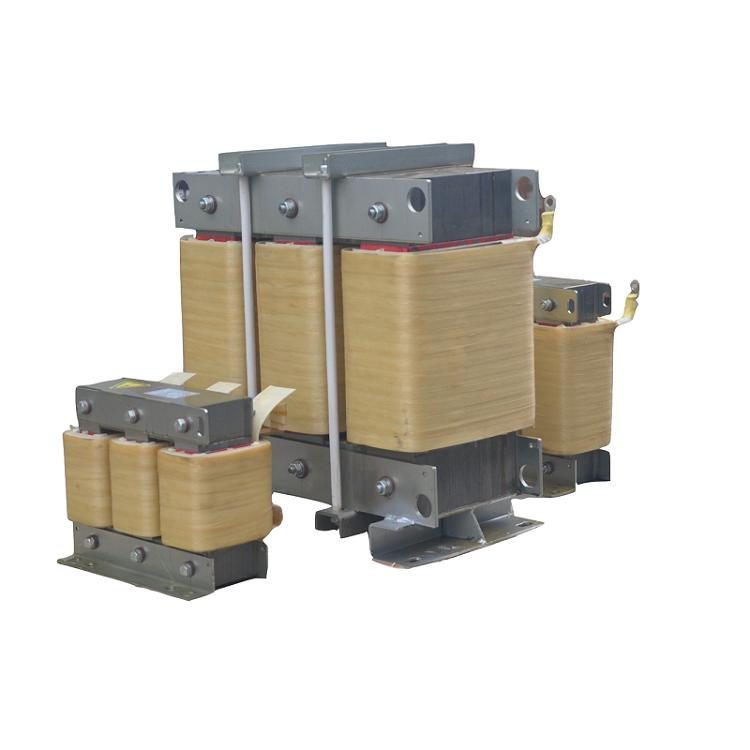
FKSG Series
The FKSG series comprises three-phase dry-type reactors engineered for industrial power systems, providing effective current limiting, harmonic suppression and power quality protection. With Class F insulation and maintenance-free dry-type construction, these reactors deliver stable performance in demanding industrial environments.
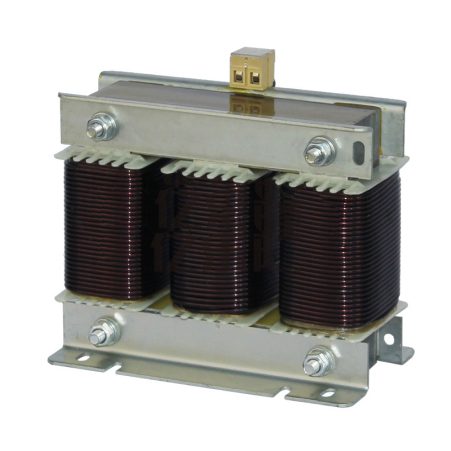
CKSG Series
The CKSG series represents three-phase series reactors purpose-built for capacitor banks, protecting capacitors from inrush currents and harmonic resonance. Available with 6-12% impedance matching, these dry-type reactors ensure safe and reliable reactive power compensation.
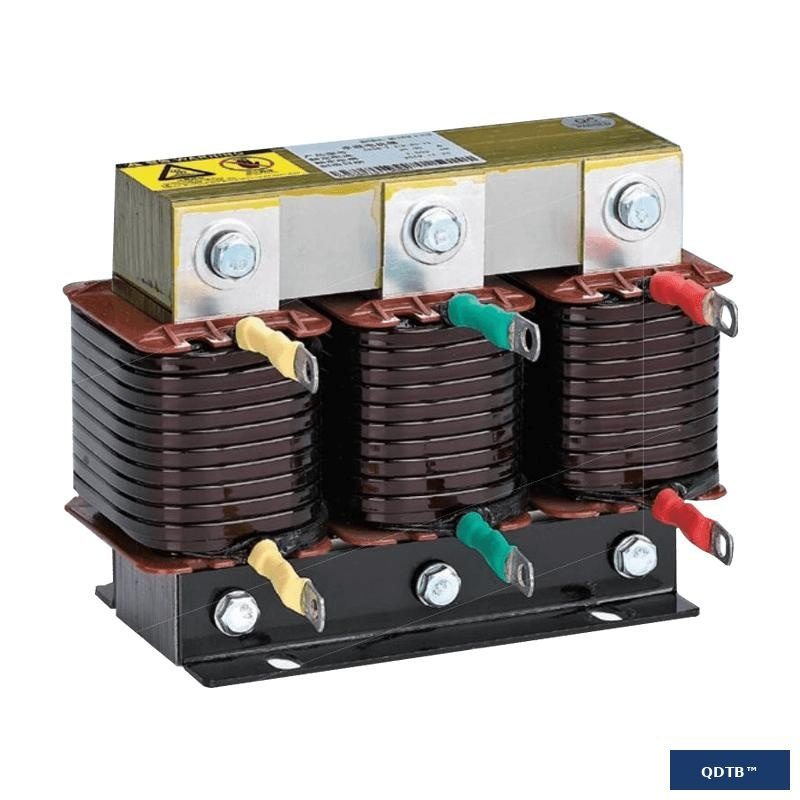
KSG-Output Series
The KSG-Output series provides three-phase dry-type output reactors fitted between the drive and the motor, filtering harmonic currents and limiting inrush transients. They extend motor cable length capability and protect motor insulation from voltage stress.
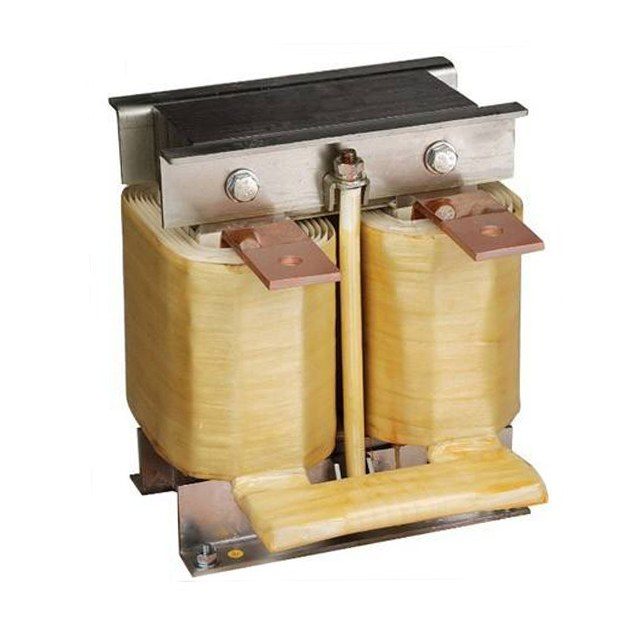
DC-Welding Series
The DCR series DC welding reactors are designed to smooth the output current of DC welding machines, stabilizing the arc and improving weld quality. Dry-type construction with Class F insulation ensures reliable performance in continuous industrial welding duty.
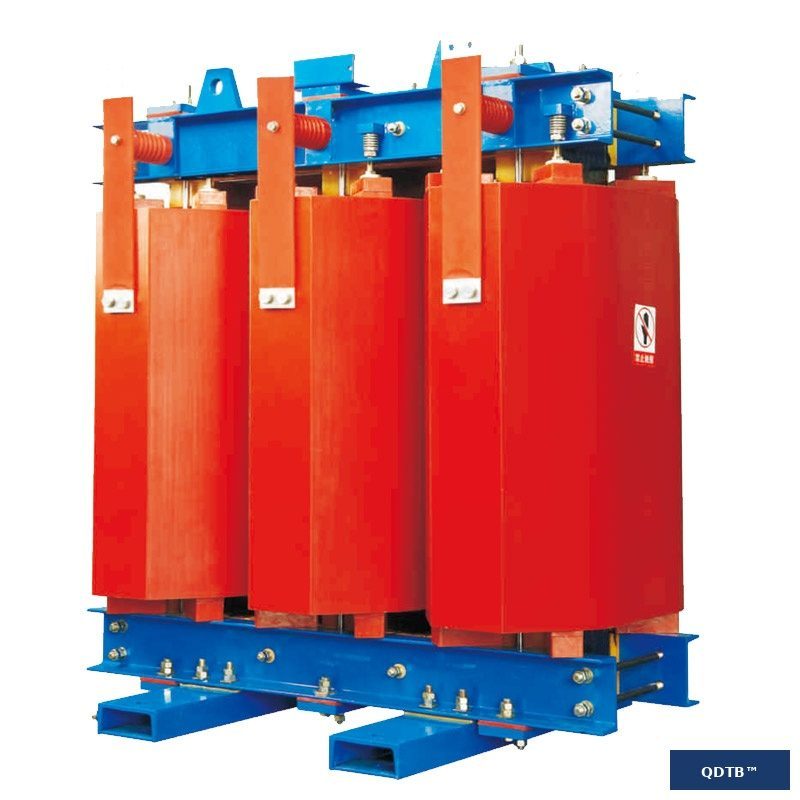
QKSC Series
The QKSC series three-phase dry-type starting reactors are designed for motor starting applications, reducing inrush current during motor startup. Provides smooth acceleration and protects motors and power systems from mechanical and electrical stress.
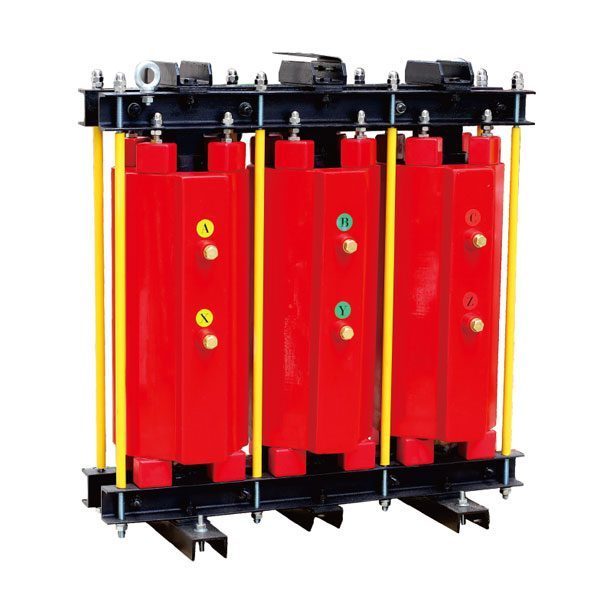
BKSC Series
The BKSC series three-phase dry-type iron-core shunt reactors are designed for MV/HV power systems to compensate capacitive reactive power of long transmission lines. Features dry-type iron-core construction for fire-safe indoor installation with reliable performance.
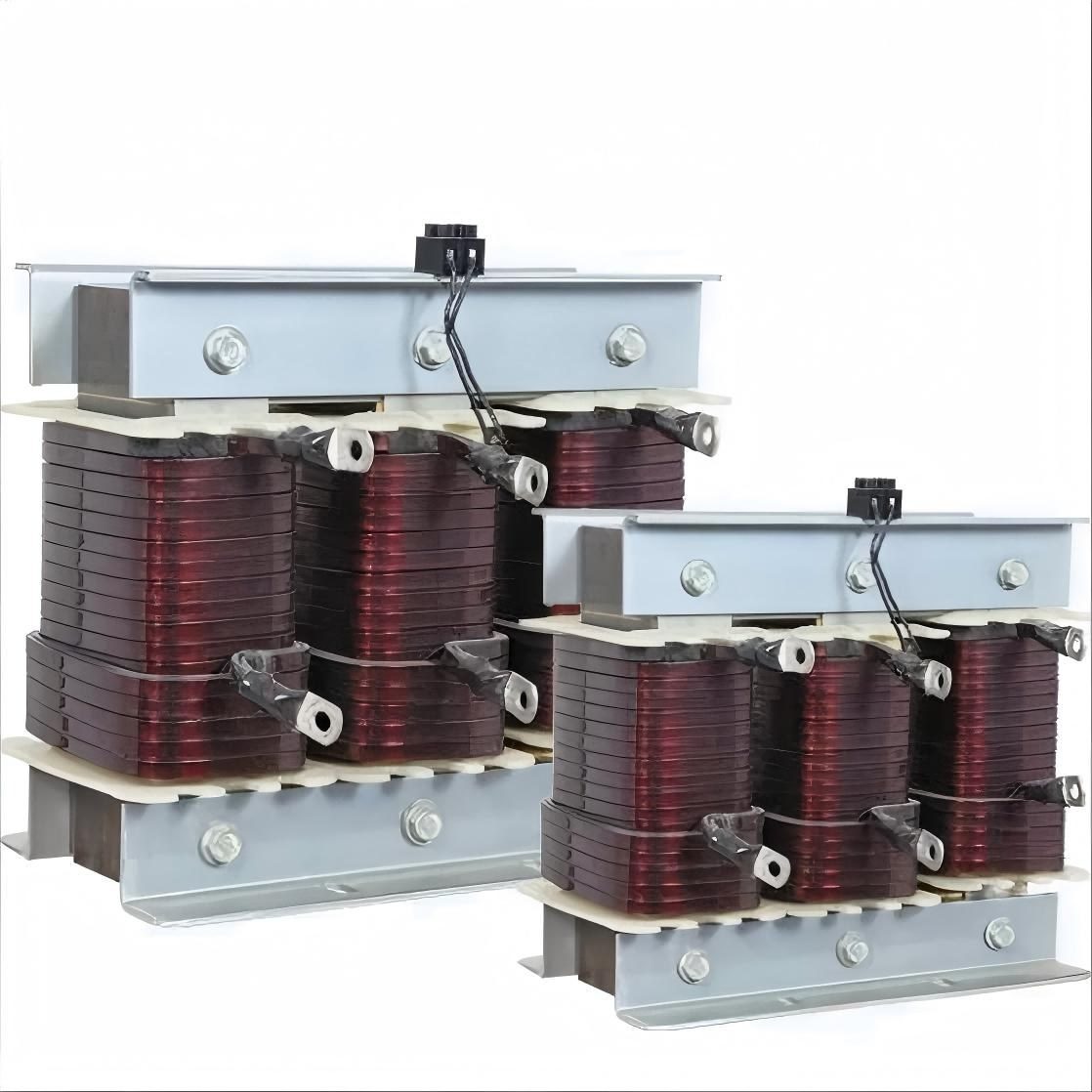
KSG-Input Series
The KSG-Input series consists of three-phase dry-type input reactors installed between the power supply and AC drives, inverters or soft starters. They limit inrush current, reduce harmonic distortion and improve the power quality seen by sensitive electronic equipment.
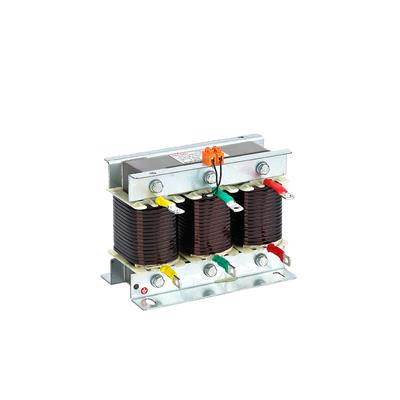
JKSG Series
The JKSG series offers three-phase dry-type filter reactors for line-side applications, combining harmonic attenuation with inrush current protection. With 5-8% impedance options and Class F insulation, these reactors support stable operation of capacitor banks and drive systems.
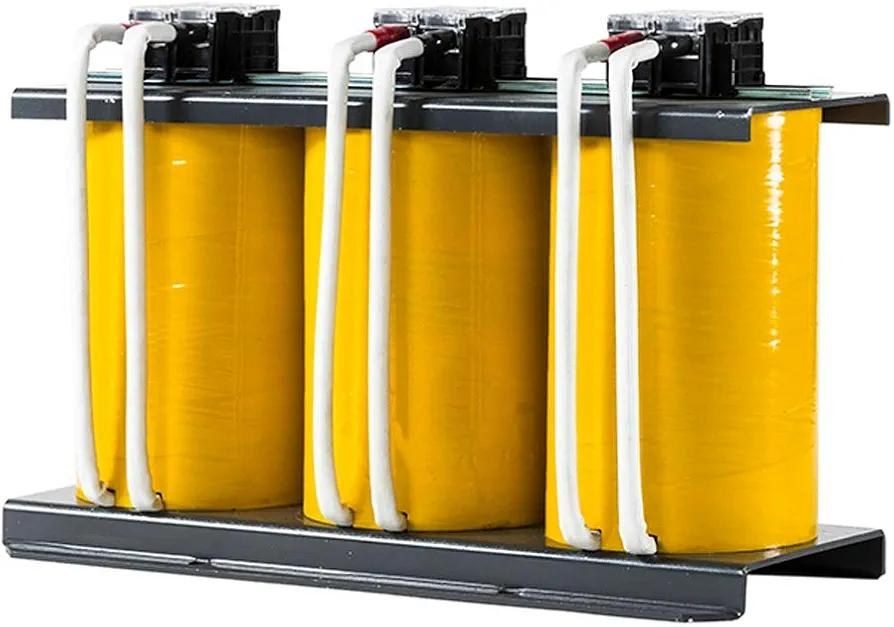
L Series
The L series current-limiting reactors are designed to restrict fault currents in power systems, protecting equipment from short-circuit damage. Compact dry-type construction ensures reliable performance in switchgear and panel installations.
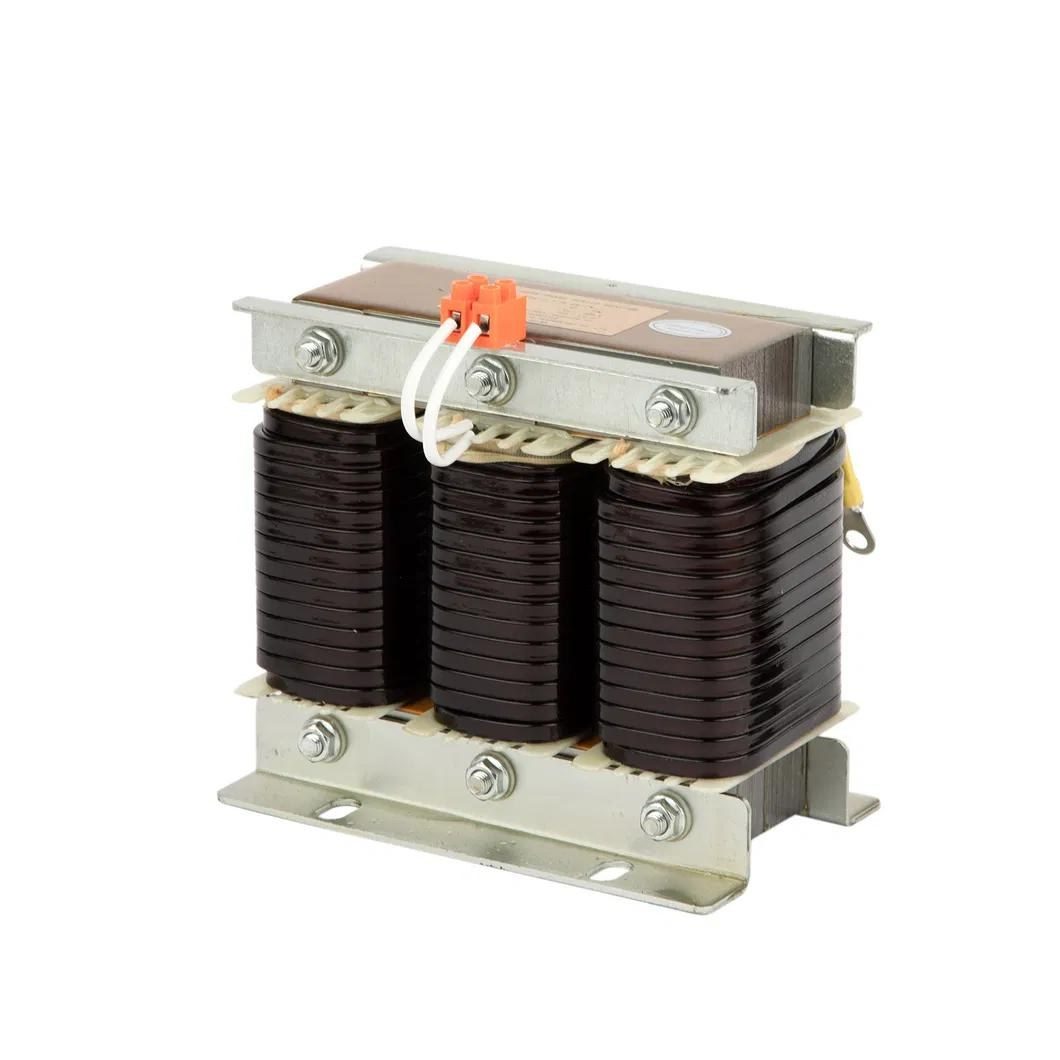
CKGQ Series
The CKGQ series air-core dry-type reactors feature no iron-core saturation and linear inductance characteristics. Designed for harmonic filtering and current limiting applications in power systems with high harmonic content.
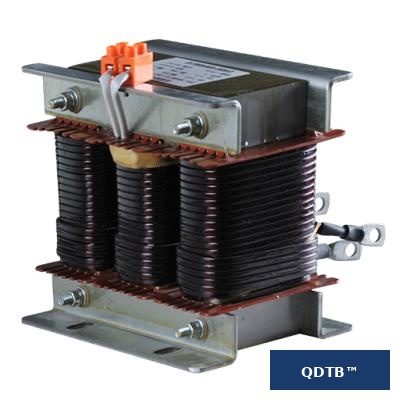
BKDG Series
The BKDG series single-phase dry-type reactors are compact components designed for control circuits, signal filtering, and current limiting in low-voltage applications. Features reliable dry-type insulation for maintenance-free operation.
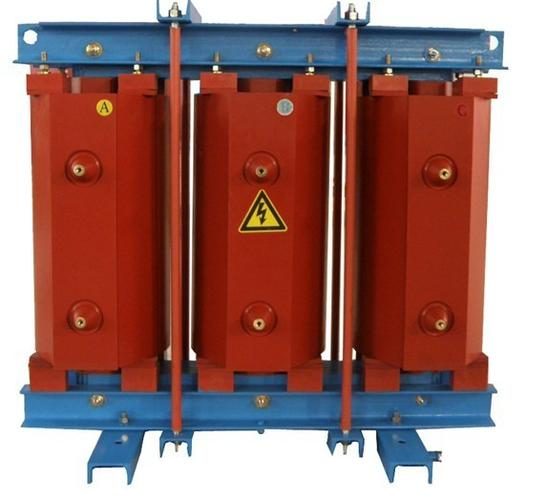
CKSC Series
The CKSC series represents three-phase dry-type iron-core reactors for power system applications, providing reactive power compensation and current limiting.
Instant Selection & Quote Calculator
Select your specifications to get an estimated price instantly.
More options(2)
Fill in any two of inductance L, rated current I and reactive power Q — the third is derived. The phase basis (single / three-phase) must be chosen, because the two bases differ by exactly a factor of three.
X = 2πfL · U_L = I·X · Q₁ = I²X (single-phase) · Q₃ = 3I²X (three-phase)
Still required to complete the calculation: inductance L, rated current I, reactive power Q.
L = 1 mH, I = 150 A, f = 50 Hz → X = 0.3142 Ω, U_L = 47.12 V, single-phase Q₁ = 7.07 kvar, three-phase Q₃ = 21.21 kvar.
Single-phase and three-phase differ by exactly a factor of three — always state which basis a kvar figure is quoted on.
The product library (quote-data) carries no per-model inductance or rated current, so no value is auto-filled for a model; the actual figures are confirmed on the factory parameter sheet. An em dash means the value is unavailable — it is never rendered as zero.
Certification
Reference prices are for estimation only and do not constitute a formal offer.
3 · Get this quote
We will reply with your latest quote instantly.
Related Engineering Calculators
Free sizing and pricing tools for this product category.
Application Scenarios
Capacitor Banks
Series reactors protecting capacitors from harmonics.
Harmonic Filtering
Tuned reactors for VFD and rectifier harmonics.
Motor Starting
Reducing inrush for large motors.
Power Factor
Shunt reactors for cable networks.
Renewable Energy
Smoothing reactors for wind and solar.
Industrial
Current limiting for arc furnaces.
Technical Advantages
Precision
Tight tolerance for exact reactance.
Low Noise
Minimized audible noise.
Thermal
Optimized cooling at rated current.
Flexible
Dry-type and oil-immersed options.
FAQ - Reactors
What is the difference between a series reactor and a shunt reactor?
How do I choose the reactance percentage for a capacitor bank?
What is the difference between air-core and iron-core reactors?
Do reactors need cooling?
What is the minimum order quantity (MOQ) for Reactors?
What is the delivery time for Reactors?
Related Product Categories
Dry Type Transformers
Dry-type transformers are essential components in modern ele
Oil Immersed Transformers
Oil-immersed transformers are the workhorse of power distrib
Special Isolation Control Transformers
Isolation and control transformers provide galvanic separati
Amorphous Alloy Transformers
Amorphous alloy transformers are the lowest-loss choice for
Box Type Substations
Box-type substations, also known as prefabricated substation
Cable Branch Boxes
Cable branch boxes are sealed distribution points that split
Ring Main Units
Ring main units (RMUs) are compact, sealed switchgear that f
High Voltage Switchgear
High-voltage switchgear performs switching, protection, and
Low Voltage Switchgear
Low-voltage switchgear and motor control centers (MCCs) deli
Single Phase Transformers
Single-phase control transformers provide galvanic isolation
Three Phase Transformers
Three-phase dry-type transformers step down, isolate, or ada
Voltage Regulators
Automatic voltage regulators (stabilizers) keep output volta
Variable Transformers
Variable auto-transformers deliver continuous, stepless AC v
Inverters
Pure sine wave inverters convert DC battery power (12 V/24 V
Dc Power Supplies
Switching DC power supplies convert AC mains into regulated
Battery Chargers
Intelligent battery chargers restore and maintain lead-acid
Motor Starters
Motor starters control three-phase motor energization with r
Ups
Online double-conversion UPS systems continuously regenerate
Power Capacitors
Self-healing power capacitors provide power factor correctio
Solar Pv Modules
Solar PV modules convert sunlight into direct current and ar
String Inverters
String grid-tie inverters turn the DC output of PV modules i
Hybrid Inverters
Hybrid solar inverters combine a grid-tie inverter and a bat
Energy Storage Batteries
Energy storage batteries store surplus solar or off-peak pow
Pcs Energy Storage
Power conversion systems (PCS) are the bidirectional heart o
Battery Management Systems
The battery management system is the safety and intelligence
Ess Fire Suppression
Fire suppression for energy storage must act in the seconds
Pv Mounting Structures
Mounting structures hold the array to the roof or ground for
Dc Cables Connectors Spd
The DC side of a PV plant is only as reliable as the cables,
Monitoring Scada Communication
A solar or storage plant that cannot be observed and control
Cables Trays Grounding
The AC side and the structural grounding of a plant are easy
Energy Storage Containers
The energy storage container packages battery, power convers
Busway
Busway (bus duct) systems distribute high-current power from
Ev Charging Stations
EV charging stations supply electric vehicles with AC Level
Pole Mounted Switchgear
Pole-mounted switchgear provides outdoor switching, protecti
Svg Svc
Static Var Generator (SVG) and Static Var Compensator (SVC)
Active Harmonic Filters
Active Harmonic Filters (APF), also called active power filt
Ats Transfer Switches
Automatic Transfer Switches (ATS) automatically transfer the
Diesel Generators
Diesel generator sets provide reliable prime or standby powe
Eps Emergency Power
EPS (Emergency Power Supply) systems provide battery-backed
Wind Turbines
QDTB onshore wind turbines span the 2 MW, 3 MW and 5 MW clas
Scada Automation
Substation SCADA and secondary automation equipment for MV/L
American Pad Mounted Transformers
American pad-mounted transformers (ZGS series) place a 12 kV
Need help?
All specifications and dimensions can be customized upon request
Air-Core vs Iron-Core vs Oil-Immersed Reactors: How to Choose
| Air-Core (Dry) | Iron-Core (Dry) | Oil-Immersed | |
|---|---|---|---|
| Impedance behaviour | Linear over the whole current range, with no saturation | Saturates at high current, so impedance falls away | Linear, with the oil adding insulation margin |
| Fault current duty | Preferred where linear current limiting matters | Suited to moderate fault levels and filter duty | Used where the reactor sits at higher system voltage |
| Losses | Higher, because of the large air gap in the flux path | Lower, because the flux path is closed through the core | Low, with oil carrying heat off the winding |
| Footprint | Large — clearances and fencing are needed | Compact for the same rating | Compact tank, but needs oil containment |
| Cooling | Naturally air-cooled (AN) | Naturally air-cooled (AN) | ONAN, forced cooling on large units |
| Installation | Outdoor yard or fenced enclosure | Indoor panel or outdoor cubicle | Outdoor yard on a bunded foundation |
| Typical duty | Capacitor detuning, current limiting, arc suppression | DC smoothing, drive and filter chokes | Higher-voltage series and shunt duty |
Where QDTB® Reactors Are Specified
Reactors are specified on any network where harmonic current or fault level has to be shaped rather than simply carried. Capacitor banks take series reactors with 6% or 7% reactance to detune the bank away from the dominant harmonic, and that choice is what decides whether the bank survives its first years in service.
Industrial plants running drives, rectifiers and welding equipment use reactors to keep harmonic distortion at the point of common coupling inside the limits the utility enforces, while DC smoothing reactors sit on the rectifier output where the process needs a steady current. Both duties are specified from the measured harmonic spectrum rather than from a generic rule of thumb.
Renewable and utility substations specify shunt reactors for reactive compensation on long feeders and cable circuits, and current-limiting reactors where the fault level exceeds the switchgear rating. Motor-starting reactors remain a practical way to bring a large motor up to speed where the supply cannot take the direct-on-line inrush.
Construction follows the duty: air-core where linear impedance and fault-current limiting matter, iron-core where losses and footprint matter, and oil-immersed where the reactor is applied at higher system voltage. In every case the reactance, current rating and thermal class are agreed against the network study before the unit is released to production.
Frequently Asked Questions
What is the difference between a series reactor and a shunt reactor?
A series reactor is connected in series with the load or capacitor bank to limit current and block harmonics. A shunt reactor is connected between phases or to ground to absorb reactive power and stabilize voltage.
How do I choose the reactance percentage for a capacitor bank?
For harmonic detuning, 6% reactors detune the 5th harmonic and 7% reactors detune the 3rd. The correct value depends on the dominant harmonic order present in the network, which a harmonic study determines.
What is the difference between air-core and iron-core reactors?
Air-core reactors have linear impedance and no saturation, making them ideal for fault-current limiting. Iron-core reactors are more compact and economical for filtering and smoothing duty.
Do reactors need cooling?
Most distribution reactors are naturally air-cooled (AN). Larger units may use forced air cooling (AF); the cooling method is matched to the continuous current rating and duty cycle.
What is the minimum order quantity (MOQ) for Reactors?
One unit for standard products. Custom-designed equipment is quoted on specifications — send your parameters or drawings and our sales team will confirm the MOQ for your configuration.
What is the delivery time for Reactors?
Standard units are delivered in 30-45 days. Custom or large-capacity units follow a project-specific schedule confirmed at quotation. Rush orders can be accommodated for urgent projects.